
In today’s fast-moving academic world, access to scientific knowledge should not be limited by pay walls or expensive charges. Open access journals have transformed how research is shared, making scientific findings available to everyone from students and teachers to independent researchers and innovators. This approach promotes transparency, collaboration, and faster progress in various scientific fields. Let’s walk through open access journal of science detailed knowledge.
What is an Open Access Science Journal?
An open access journal is a platform where research articles are published online and made freely available to readers without any cost. Unlike traditional publishing models, readers do not need subscriptions to access the content. This system ensures that knowledge is widely distributed and easily accessible across the globe.
Key Features of Open Access Journals
Free Accessibility
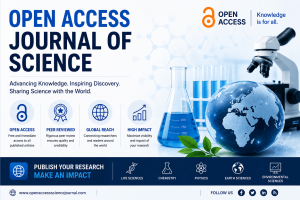
Anyone with an internet connection can read, download, and share research papers without restrictions. This helps students and early-stage researchers who cannot afford expensive charges or are not funded.
Faster Publication Process
Many open access journals follow a quicker review and publication cycle, allowing researchers to share their findings without long delays.
Global Reach
Since there are no access barriers, research published in open access journals reaches a wider audience, increasing visibility and impact.
Submit Your Paper / Check Publication Charges
Author Rights
Authors often retain more control over their work, including the ability to share and reuse their research with proper attribution.
Support for Innovation
Open access encourages collaboration among researchers from different regions, leading to new ideas and advancements in science.
Advantages for Researchers and Students
Open access journals are especially helpful for students and beginners in research. They provide free learning resources, examples of research writing, and updated scientific knowledge. For researchers, publishing in open access increases citation chances and builds academic reputation.
While open access journals offer many benefits, authors should still be careful while selecting where to publish. It is important to check the journal’s credibility, peer-review process, and reputation status to avoid low-quality or misleading platforms.
Open access journals in science have become an essential part of modern research communication. They break barriers, promote equality in education, and allow knowledge to flow freely across borders. For anyone involved in research, understanding and using open access platforms can open new doors to learning, publishing, and collaboration.